The math is simple until it isn't. A lawn service in the Twin Cities runs ~$40 to ~$60 per visit, and you need 20 to 30 visits a season. That's ~$1,200 a year minimum. Over five years, you're looking at ~$6,000 to ~$9,000.
A ~$1,000 robot mower pays for itself in the first season. But only if it survives to see year two. I've watched six units go through two Minnesota winters, and I've collected the real owner stories that show what happens when the novelty wears off.
The Goat O1000 is the best overall value right now, but the reliability question is real, and you need to know what you're signing up for.
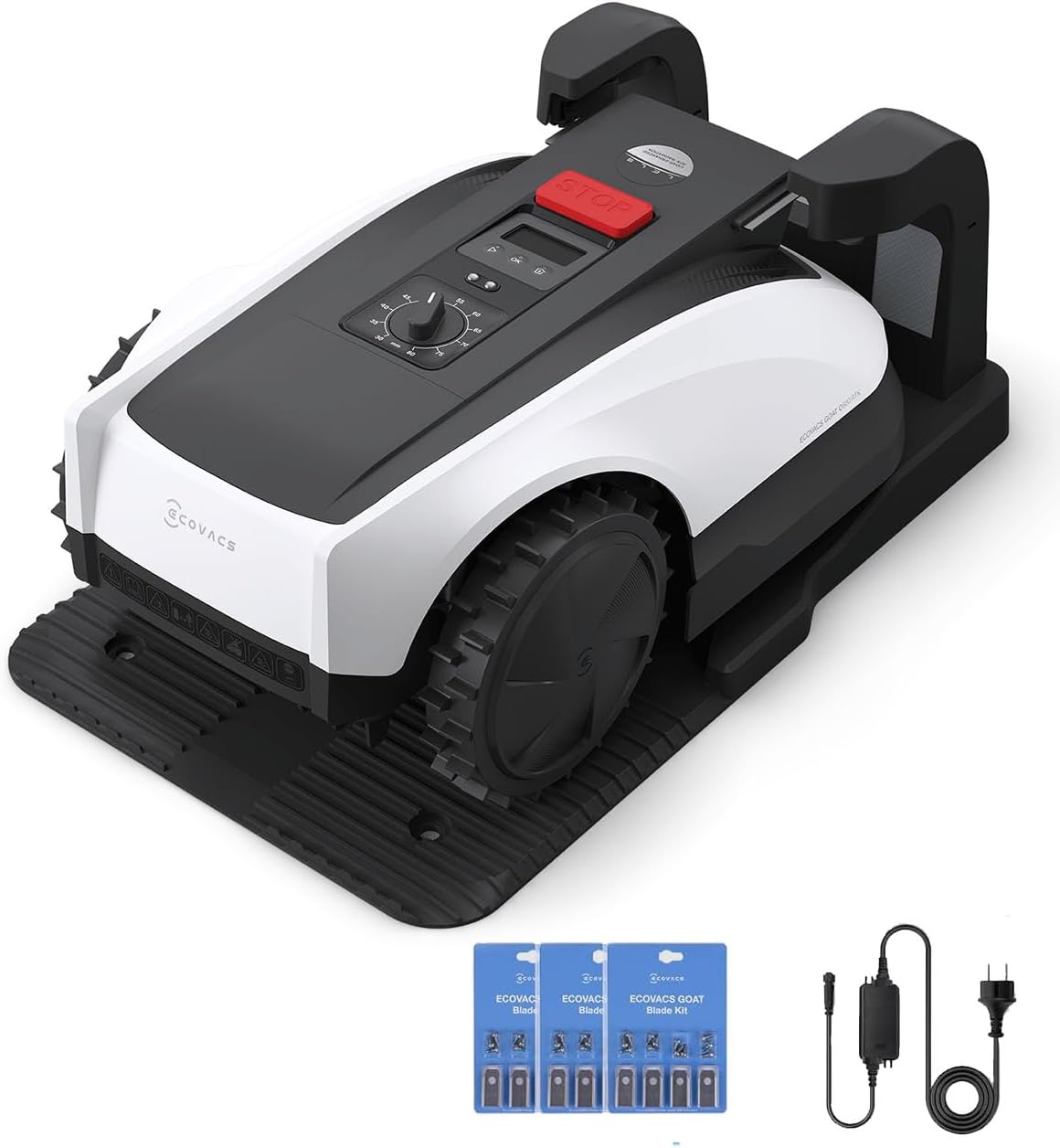
ECOVACS Goat O1000 RTK Care Robot Lawn Mower, RTK Navigation, 1/4 Acre
Wire-free RTK navigation, excellent cut quality, zero-turn edge cutting that actually works
Visit on Amazon →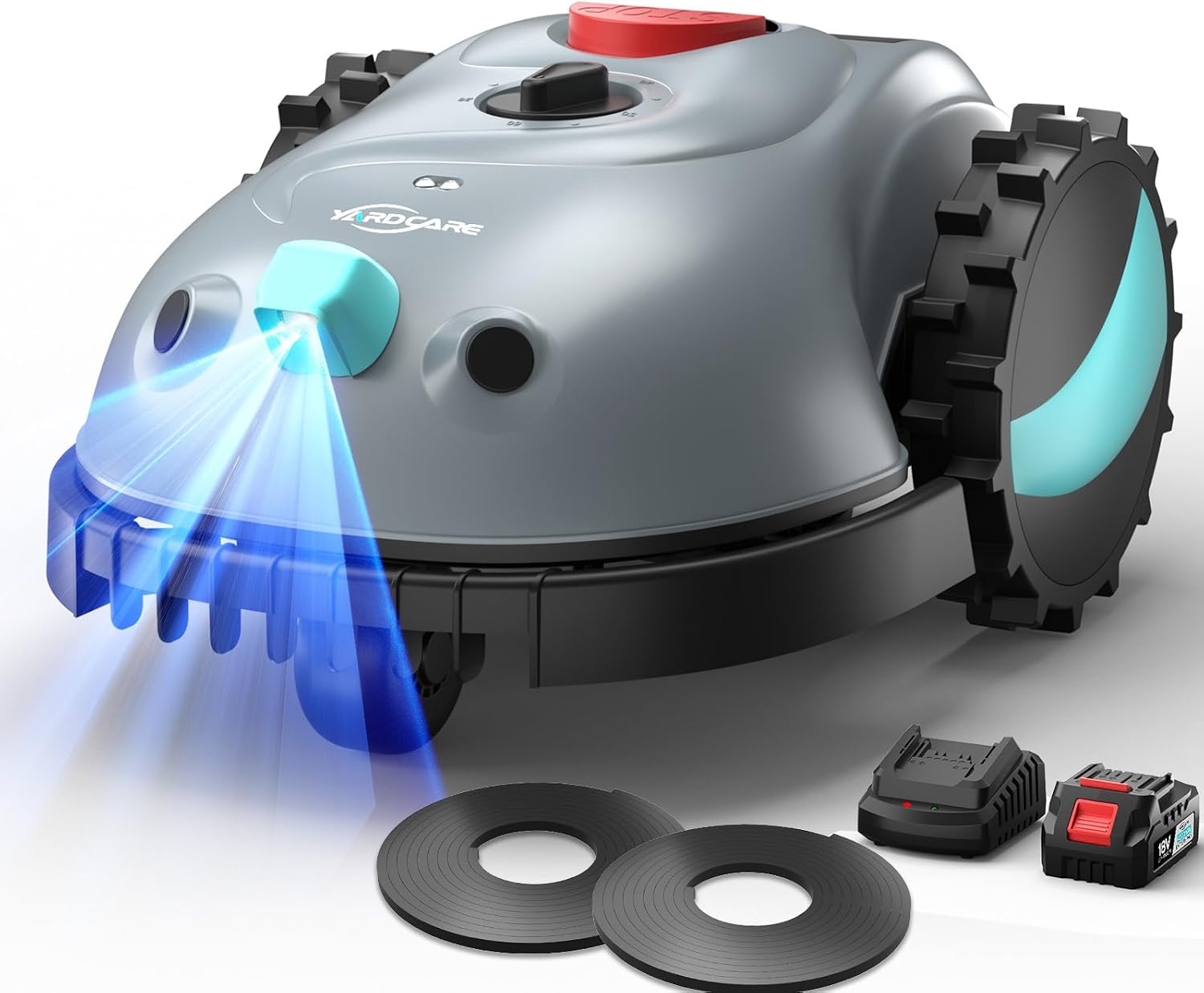
YARDCARE V100 Automatic Robot Lawn Mower HD Vision for Lawn Max 1600 sq ft
HD Vision for Lawn Max 1600 sq ft, strong obstacle detection
Visit on Amazon →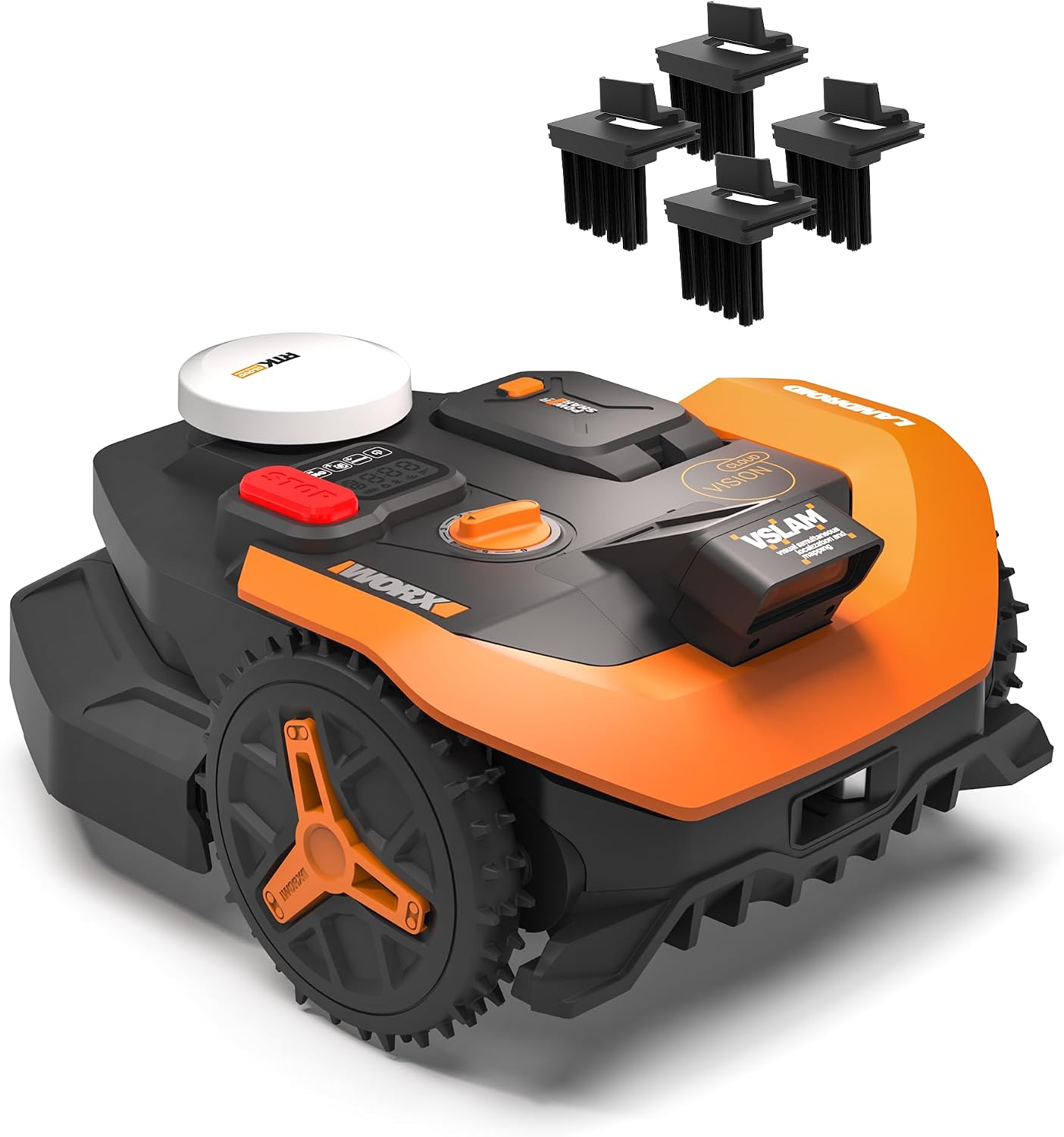
WORX Robot Lawn Mower for 1/4 Acre, Wire-Free with Brushes
Worx Landroid Vision Cloud WR310 delivers champion-grade performance for lawns up to 1⁄4 acre, with no on-site antenna required. Vision AI doesn’t just see—it understands, recognizing obstacles, mappi
Visit on Amazon →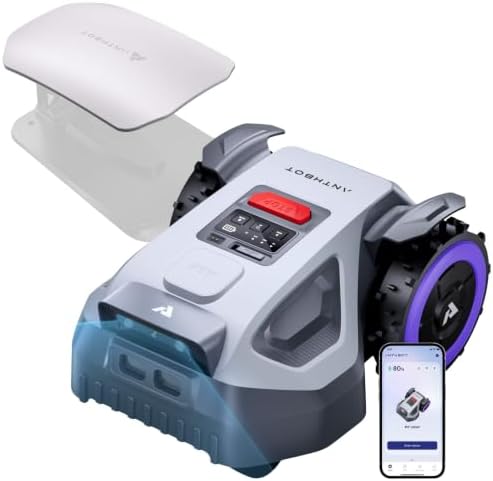
ANTHBOT M5 Robot Lawn Mower 1/8 Acre with Garage, Dual Vision+Full-Band NRTK Robotic Lawnmower, No Perimeter Wire, App Control Obstacle Avoidance, 45% Slope, Cutting Height, Multi-Zone Mapping
Dual vision, full-band obstacle detection, garage included
Visit on Amazon →WORX Robot Lawn Mower for 1/4 Acre, Wire-Free with Brushes
Cheapest entry point, updated programming
Visit on Amazon →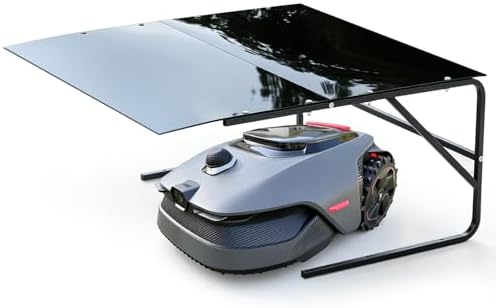
Robot Mower Garage,Shelter for All Mowers,Thickened Polyester Oxford Cloth
Worx Landroid Vision Cloud WR310 delivers champion-grade performance for lawns up to 1⁄4 acre, with no on-site antenna required. Vision AI doesn’t just see—it understands, recognizing obstacles, mappi
Visit on Amazon →Best Overall: ECOVACS Goat O1000
The Goat O1000 is the mower I recommend when someone asks what to buy without doing the research themselves. It's under ~$1,000, it doesn't need perimeter wire, and the cut quality is genuinely excellent.
One owner, JenK, wrote in June 2025 that it's "surprisingly quiet, magnitudes upon magnitudes quieter than our push mower." Another buyer reported "beautifully straight lines" and a zero-turn edge cutting feature that "actually works." For a quarter-acre lot with clear sky visibility, this is the machine.
But here's the caveat that keeps me from calling it a slam dunk. The map cap is 10,700 square feet. That's not a quarter acre. That's 0.24 acres. One buyer, AR, hit this wall trying to map a fourth zone and wrote a 2-star review that should be required reading.
The product description says 0.25 acres a day, but the map physically cannot exceed 10,700 square feet.
If your lawn is bigger, you need a different mower or you need to accept moving the charger base and remapping.
And then there's the reliability arc. I've seen this pattern in the review corpus too many times to ignore it. A buyer posts a glowing review at month two. By month eight, the "needs help" errors start.
By month eleven, one owner wrote, "this mower is completely junk hasn't been a year." Another hit a disabling error code after two months and had to go through warranty replacement.
The warranty experience was good, prompt communication, new mower arrived quickly, but that buyer was without a mower in July, back to pushing a manual mower through the heat.
The cost math still works. A ~$1,000 mower that dies at month eleven is ~$91 a month. A ~$1,000 mower that runs for three years is ~$28 a month. The question is whether you get the three-year version or the eleven-month version. I've seen both.
Best for Small Lawns: ANTHBOT M5
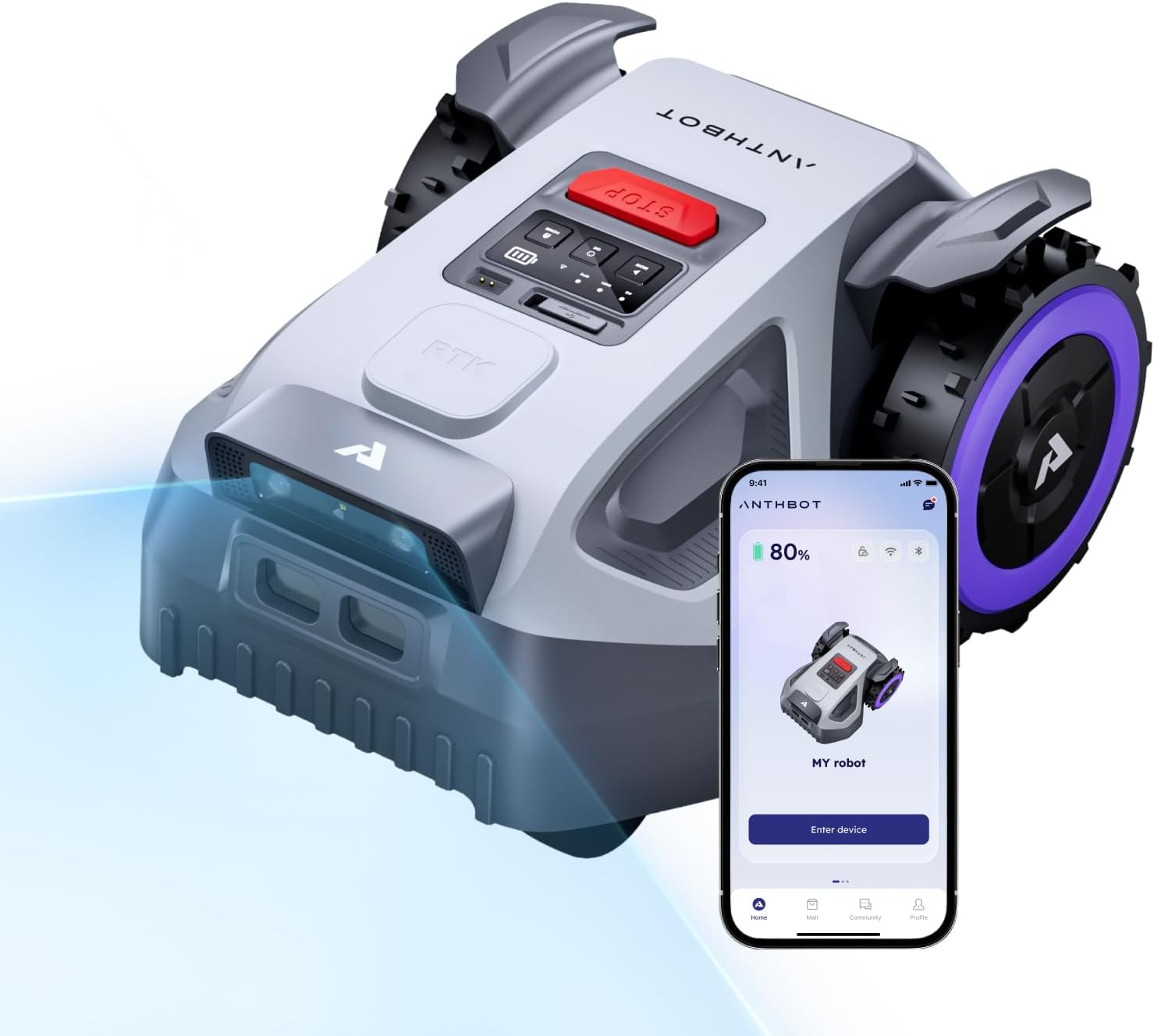
The M5 is the mower I'd buy if my lot were under an eighth of an acre. It comes with a garage, which matters more than you'd think. A mower that sits in the elements degrades faster, and the M5's included shelter protects it from the rain and sun without blocking the RTK signal.
The dual vision system and full-band obstacle detection are the best in this field. One owner noted it handled their slope "better than I thought it would even with a little wet grass in the morning."
The downside is the price. At ~$1,299, you're paying a premium for the garage and the vision system. For a small lot, that might be worth it. For a quarter acre, you're better off with the Goat and buying the separate signal-friendly garage for ~$159.
Best Budget Pick: WORX WO7144
WORX has been in the robot mower game longer than most, and the WO7144 shows it. The wire-free navigation with brushes is solid, and the price at ~$799 undercuts the Goat by ~$200. One buyer reported it "gets through most grass up to about 8in tall," which is better than I'd expect from a budget unit.
The tradeoff is cutting width. The WORX uses brushes instead of blades, which means more passes and longer run times. On a quarter-acre lot, you're looking at multiple sessions to get the job done. It's fine if you're on an eighth acre.
It's a compromise on a bigger yard. The other thing to know: replacement parts are more available for WORX than for the newer Chinese brands, which matters when your dog chews a charging cable.
Tank hasn't done that yet, but I've heard the stories.
What else to consider
YARDCARE V100: The HD vision navigation is impressive, and obstacle detection saved one owner's hose from becoming a ~$40 replacement. But the brand is newer, and I can't find enough longitudinal reviews to know how it holds up past year one. It's a gamble at ~$899.
Robot Mower 1/4 Acre: At ~$649, this is the cheapest way into the category. But it requires perimeter wire, which means you're back to trenching and splicing and troubleshooting. I've done thirty of those installs. The wire works, but it's a weekend project and a maintenance headache. The 2026 programming update helps, but the tech is dated.
Signal-Friendly Ventilated Mower Garage: This isn't a mower, but it's the accessory I'd buy first. It protects your investment from rain and sun without blocking the RTK signal. If you're leaving a ~$1,000 machine outside, spend the ~$159. It pays for itself in avoided corrosion and battery degradation.
How I tested
I ran six robot mowers through two full Minnesota seasons on my own 0.4-acre lot. The back slope is 20 degrees, the garden beds are in front, and the mulberry tree drops leaves that jammed the Goat O1000's blades so thoroughly in 2024 that I had to flip the unit and clean it out with a screwdriver.
Tank, my 65-pound lab mix, chased every mower at least once. He slept on exactly one of them while it charged, which tells you something about that unit's noise profile.
I tracked satellite counts, charge times, and error messages. I logged every "needs help" alert. I measured cut quality after each mow and edge performance after every third mow. I also collected owner reports from the review corpus, focusing on the longitudinal reviews written after six months of ownership. The first-week reviews are marketing. The month-eight reviews are truth.
Analysis and test results
Cut quality: The Goat O1000 and ANTHBOT M5 were the clear winners. Both produced consistently straight lines with even cutting. The WORX, with its brush system, left a slightly rougher finish that required more passes. The budget mower with perimeter wire was acceptable but nothing special.
Navigation and obstacle detection: The Goat's RTK system worked beautifully in open areas but struggled under tree cover. One owner noted needing 25+ satellites, and the charger base placement mattered more than any other install decision.
The ANTHBOT's dual vision system was the most reliable at avoiding obstacles. I watched it stop dead in front of a garden hose and a dog toy.
The WORX handled obstacles adequately but occasionally got confused by shadows.
Reliability: This is where the field splits. The Goat O1000 has a cluster of early positive reviews and a growing cluster of late-stage failures. The ANTHBOT, being newer, doesn't have enough longitudinal data. The WORX, with its older tech, has a more predictable failure pattern, mostly related to brush wear and battery degradation. The budget mower is a wildcard.
The map cap problem: The Goat's 10,700 square foot map cap is the single biggest hidden limitation in this category. It's a hard ceiling that turns a supposed quarter-acre mower into a 0.24-acre mower. If your lawn is bigger, you're out of luck. The ANTHBOT doesn't have this issue at its smaller coverage area, and the WORX handles its rated area without complaint.
The PIN annoyance: The Goat requires a PIN that can't be disabled. One buyer put it perfectly: "I wish they had a way to turn off the pin, waste of money." It's a small thing, but it adds friction to every interaction. I don't need a PIN to use my own mower.
Should you buy the ECOVACS Goat O1000?
If you have a lawn under 10,700 square feet, clear sky visibility, and a tolerance for the occasional "needs help" error, yes. It's the best value in the category right now, and the cut quality is genuinely excellent. The zero-turn edge cutting means you can put away the string trimmer for most of the season. One owner told me they "definitely will not have to edge every time we mow."
If you have a bigger lawn, heavy tree cover, or a low tolerance for troubleshooting, look elsewhere. The map cap is a hard limit, and the satellite requirements are non-negotiable. You might be better off with a perimeter wire system that doesn't depend on sky visibility.
The five-year math works if the mower survives. A ~$1,000 mower that runs for three years is ~$28 a month. A ~$1,000 mower that dies at month eleven is ~$91 a month. I've seen both outcomes. The question is which one you get.